Everest: The Other Side — Release Date, Story, IMAX
The Everest The Other Side IMAX release date is October 30, 2026, when National Geographic’s documentary opens exclusively in theaters and IMAX worldwide. First, a name to clear up, because it will confuse some readers on sight. The Jim Morrison at the center of Everest: The Other Side is not the Doors singer. He is […]
The Everest The Other Side IMAX release date is October 30, 2026, when National Geographic’s documentary opens exclusively in theaters and IMAX worldwide.
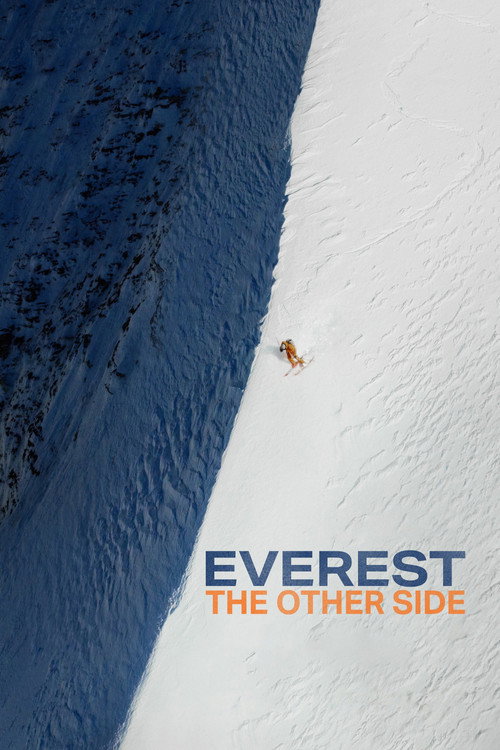
First, a name to clear up, because it will confuse some readers on sight. The Jim Morrison at the center of Everest: The Other Side is not the Doors singer. He is an elite American ski mountaineer, and the film follows him and his life partner, fellow ski mountaineer Hilaree Nelson, as they chase one of the hardest objectives left on the world’s highest mountain. Keep that distinction in mind and the rest of the story falls into place.
The documentary opens exclusively in theaters and IMAX worldwide on October 30, 2026. It comes from National Geographic Documentary Films, directed and produced by Elizabeth Chai Vasarhelyi and Jimmy Chin, the Oscar-winning filmmakers behind Free Solo. A streaming date on Disney+ has not been announced, so for now the theatrical run, and especially the IMAX run, is the way to see it. That is why the Everest The Other Side IMAX release date is worth planning around.
What the film is about
Thousands of climbers have reached the summit of Mount Everest from the southeast ridge on the Nepal side. That route is crowded, well documented, and, by Everest standards, understood. The direct North Face, on the mountain’s remote side in China, is a different proposition. According to Disney’s own listing for the film, only five people had ever summited by that more daunting direct North Face route. No one had successfully skied down it.
That was the shared dream Morrison and Nelson built their partnership around: climb the direct North Face and ski it. They were not newcomers taking a wild swing at a famous peak. Both were already among the best in their sport, known for hard routes and first descents, and they pushed each other to keep raising the standard. The film traces how a relationship formed in the mountains turned into a single, almost impossibly specific goal — not just to stand on top of Everest, but to come down it on skis, on a line no one had skied before.
Then the story changes shape. Nelson died in September 2022 in a ski mountaineering accident on Mount Manaslu in Nepal, at the age of 49. What had started as a film about a shared ambition became, in the directors’ telling, a film about grief, resilience, and what it means to carry on with a plan that belonged to two people when only one of them is left.
Footage connected to Nelson’s death is included in the film, and early coverage has noted that the directors and critics alike have raised questions about filming near-death moments in the mountains, and about the risks borne by Nepali Sherpa climbers on such expeditions. Those are not side issues here. They are part of what the film is wrestling with.
Morrison later completed the ski descent the pair had planned, on October 15, 2025, and dedicated it to Nelson. The documentary follows that arc: the years of preparation, the loss, and the decision to go back to the mountain anyway.
Who made it, and why IMAX matters here
Vasarhelyi and Chin are not casual hires for a mountain film. Free Solo won them an Academy Award and made their approach recognizable: get close, stay honest about fear, and let the landscape do a lot of the talking. Everest: The Other Side uses a similar method at much higher altitude, with climber-operated cameras, helmet cameras, drones, and portable cameras capturing sequences near 9,000 meters. The directors have described the crew, in effect, as climbers first — people who had to be able to move and survive in that environment before they could film in it.
That is why the IMAX release is more than a marketing label. A story about scale — a single skier against a face of ice and rock that large — needs a screen that can hold it. On a phone or a laptop, a North Face couloir looks like a white streak. On an IMAX screen, the exposure, the steepness, and the sheer drop below a skier become something the audience can feel in their shoulders. National Geographic has positioned the film explicitly as made for that screen, pairing sweeping high-altitude cinematography with intimate personal footage. The Everest The Other Side IMAX release date is, in that sense, the right way to first meet this film.
The festival road to October 30
Everest: The Other Side had its world premiere at the 83rd Venice International Film Festival, and went on to screen at the Toronto International Film Festival, with further festival stops including Telluride, Camden, and the BFI London Film Festival. That festival path let audiences see the film’s emotional core before its commercial release, and gave the filmmakers a chance to talk openly about Nelson’s death and the ethics of filming extreme expeditions. Ahead of the Everest The Other Side IMAX release date, that festival run built much of its early attention.
Hilaree Nelson, in her own right
It would be a mistake to write about this film as if Nelson were only half of a couple. She was a major figure in ski mountaineering on her own record. In 2012 she became the first woman to summit both Everest and Lhotse within 24 hours. In 2018, she and Morrison made the first ski descent of the Lhotse Couloir, known as the Dream Line. She was named a National Geographic Adventurer of the Year in 2018, led more than 40 expeditions, and was a mother of two sons.
The film treats her that way, by the accounts coming out of its festival screenings: not as a supporting presence in Morrison’s story, but as an athlete whose ambition and judgment shaped the plan from the start. Viewers who know her career will recognize that framing. Viewers who do not will learn, quickly, why her loss changed the film entirely.
Everest The Other Side IMAX release date — should you see it in IMAX?
If you have a choice, yes, and for a practical reason rather than a promotional one. This is a documentary built around vertical scale, weather, and exposure, and those things shrink badly on a small screen. IMAX will not make the story less sad or less complicated — if anything, the bigger image makes the risk harder to look away from — but it will give you the closest version of what the climbers themselves were facing.
Not every theater will carry the IMAX version, so check local listings. The standard theatrical release opens the same day. No Disney+ date has been confirmed, so treat the theatrical window as the only confirmed way to watch.
Everest: The Other Side is, at its core, a love story that became a grief story that became a record of one person finishing something two people started. That is a lot for one documentary to carry, and it is why the film has drawn attention beyond the usual climbing audience. Go for the mountain. Stay for the question it leaves behind: what do you do with a dream when the person you dreamed it with is gone?
That is everything to know about the Everest The Other Side IMAX release date, story, and IMAX run ahead of October 30, 2026. For the Everest The Other Side IMAX release date, check listings early. Find more upcoming movie guides on MyFlixer, and see the film’s full credits on TMDB.
Keep exploring
Every title in this guide has a page with its trailer, cast and legal streaming options.
More from the blog
Never Surrender Netflix Movie: Release Date, Cast and the Grandfather Who Fights Back
This Never Surrender Netflix movie starts with a special kind of action hero who does not want to fight at…

Ethos Season 2 Netflix Release Date: Everything We Know So Far
Ethos season 2 Netflix release date: six years after it quietly became one of Netflix’s most talked-about international dramas, Ethos…

Madden Prime Video Release Date: Nicolas Cage’s John Madden Biopic Streams November 18
The most famous name in football video games is about to get the movie treatment, and the date to circle…